

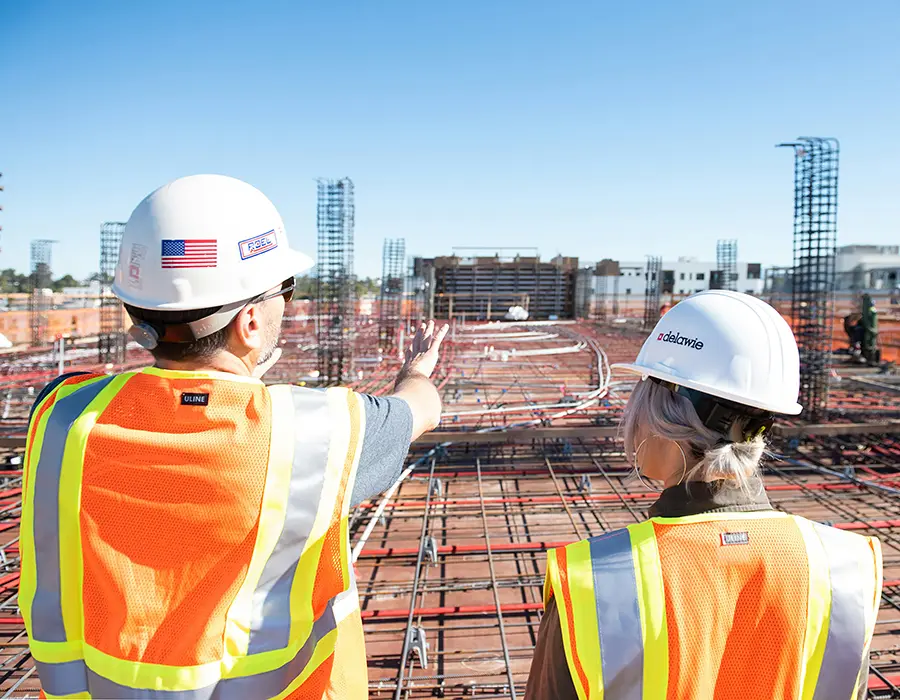
The construction industry frequently emphasizes final results. Brochures and websites display beautiful completed projects. Yet the actual building work, the complex sequence that turns plans into a durable home, usually stays out of sight. Making that process visible is a powerful strategy. It builds trust during the project and creates lasting value for a construction business.
Why the Process Matters
A completed home is a single image. The construction process, however, is a narrative. This narrative holds real value. It provides evidence of skill, detail, and integrity long before the final walkthrough. When clients are invited to see the story unfold, it replaces uncertainty with confidence. They are not purchasing an unknown outcome but partnering in a visible, managed progression.
Documenting this story also serves a practical purpose. It creates a detailed record of work done behind walls and under floors. Such information can be vital for future maintenance, renovations, or warranty discussions. The story becomes a functional asset for the homeowner.
How to Document the Build
Effective storytelling in construction relies on consistent and clear communication. Moving from theory to practice requires a reliable system for capturing the build’s progress.
This approach keeps clients connected, creates a permanent record, and showcases professional standards. A strong system combines a few key methods.
Maintain a Systematic Photo Log
Photographs form the backbone of your documentation. Consistency turns individual pictures into a compelling story. The method is straightforward: establish specific camera angles at the job site’s start and return to these same vantage points weekly. This creates a visual timeline showing clear progression from foundation to frame to finished structure.
This photo log provides clients with proof of ongoing work. For your team, it serves as a clear record of conditions before insulation and drywall conceal the critical details.
Conduct Brief Video Walkthroughs
Video adds essential context that still photos cannot. A short, weekly clip narrated by the site supervisor makes the process personal. Focus on work completed in the last few days, explain what will happen next, and highlight specific details or quality checks.
These walkthroughs build a direct connection. They are an excellent opportunity to leverage comparisons of construction types to educate their audience, showing the tangible value of techniques and materials used on their project.
Organize with a Client Portal
A centralized hub for all information prevents confusion. A shared cloud folder or project management platform acts as your project’s source of truth. Use it to store all photos, videos, and inspection reports in one place. Keep material selections and change orders organized there as well.
Providing clients with secure, 24/7 access to their project’s entire history demonstrates organizational skill and builds confidence through total transparency. The content gathered also provides authentic material for a builder’s real estate website.
Provide Weekly Written Summaries
A concise email ties everything together for the client. This regular update ensures everyone remains aligned. Your summary should list the main accomplishments from the past week, note the objectives for the week ahead, and clearly state any client decisions needed to maintain the schedule.
This habit maintains a steady communication rhythm, shows respect for the client’s time, and provides a written record of mutual agreements, preventing minor misunderstandings.
Individually useful, these techniques combine to form a complete communication strategy. Their real strength lies in how they work together to demonstrate professionalism and maintain alignment throughout the project timeline.
Applying the Construction Story
This documented narrative is not just for the client’s photo album. It has multiple professional applications that extend the value of your work.
For marketing, this content is authentic. Showcasing a well-organized job site, precise framing, or meticulous plumbing on a real estate website or social media demonstrates professionalism to potential clients. It shows you have nothing to hide. Builders can leverage comparisons of construction types to educate their audience, using their own process photos to illustrate differences in quality, materials, and techniques.
For sales, this approach is a decisive tool. Prospective clients often compare bids that seem similar on paper. The ability to show them exactly how you work, the standards you maintain, and the communication they can expect provides a concrete reason to choose your services. It turns an abstract proposal into a predictable, positive experience.
For operations, the documented process improves team accountability and provides training material for new crew members. It sets a clear standard for what quality looks like at every stage.
Final Thoughts
The decision to document a build shifts a builder’s role. You become an educator and a guide, not just a contractor. This shift elevates your service and redefines client expectations for the entire industry. The process itself becomes your signature.
This approach moves your business beyond competitive bids based on price alone. It allows you to be selected for your proven standards and visible accountability. The client who sees your weekly attention to detail understands the premium value of your work. They become a partner in the build and, ultimately, an advocate for your brand. Their shared experience, supported by the clear record you provided, builds your reputation with concrete evidence.